Optimal Timing for CCTV Repairs
CCTV repairs are most effectively performed during periods of minimal activity to ensure safety and ease of access. Routine maintenance is often scheduled during off-peak hours or seasons when surveillance demands are lower, reducing disruption to operations.
Spring and autumn often provide ideal conditions for repairs, with moderate weather reducing the risk of delays caused by extreme temperatures or adverse weather.
Scheduling repairs during nights or weekends minimizes operational impact, especially for commercial properties with high daytime activity.
Performing repairs during dry weather ensures better safety and equipment handling, avoiding delays caused by rain or snow.
Timing repairs during planned system downtimes or scheduled upgrades helps maintain security coverage without interruptions.
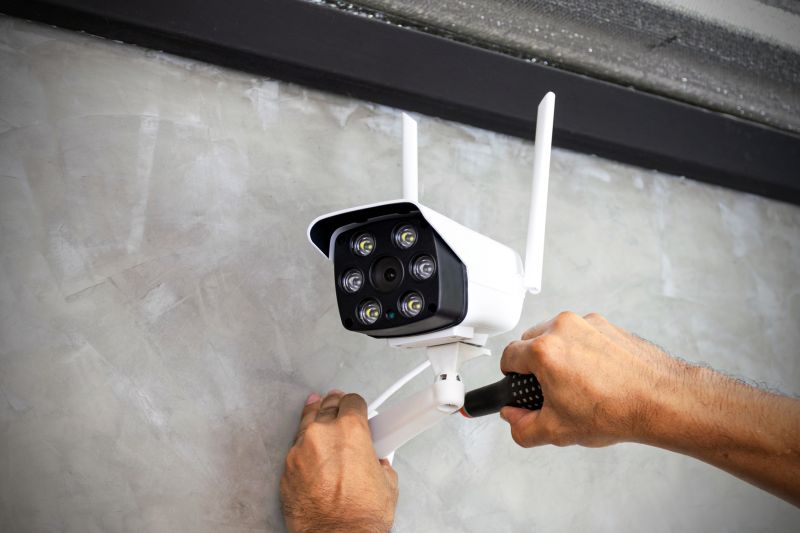
Ways to make Cctv Repairs work in tight or awkward layouts.
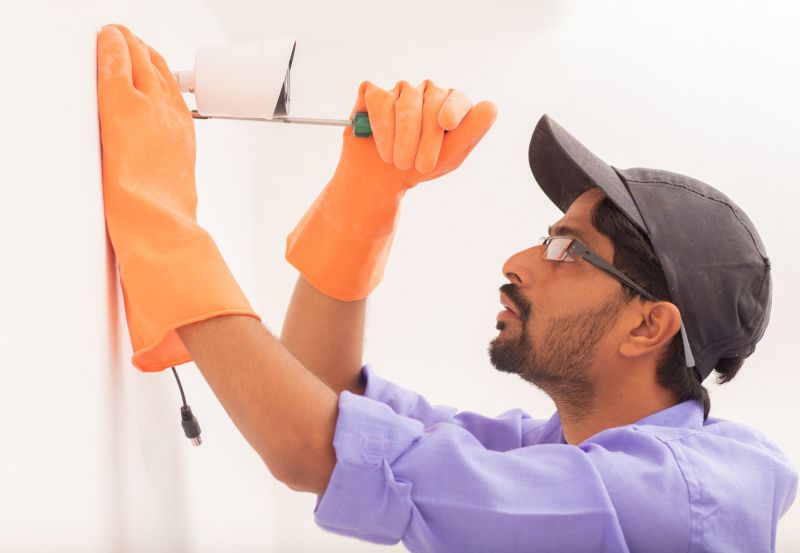
Popular materials for Cctv Repairs and why they hold up over time.
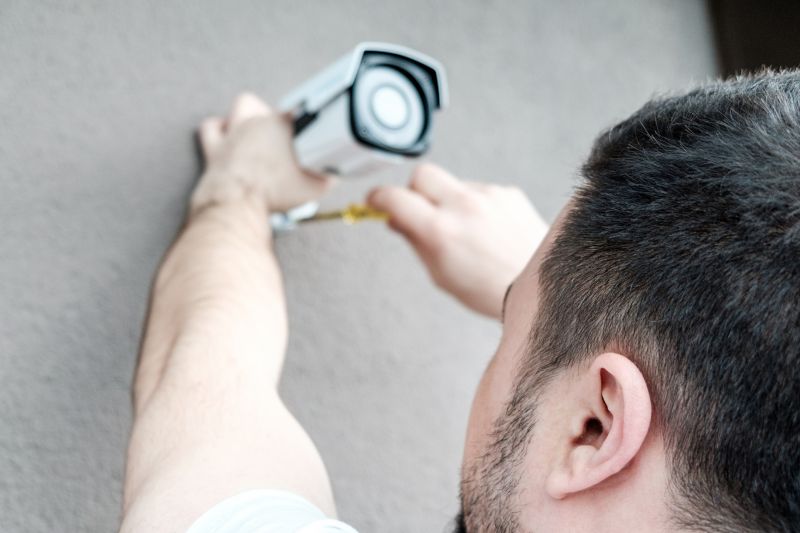
Simple add-ons that improve Cctv Repairs without blowing the budget.
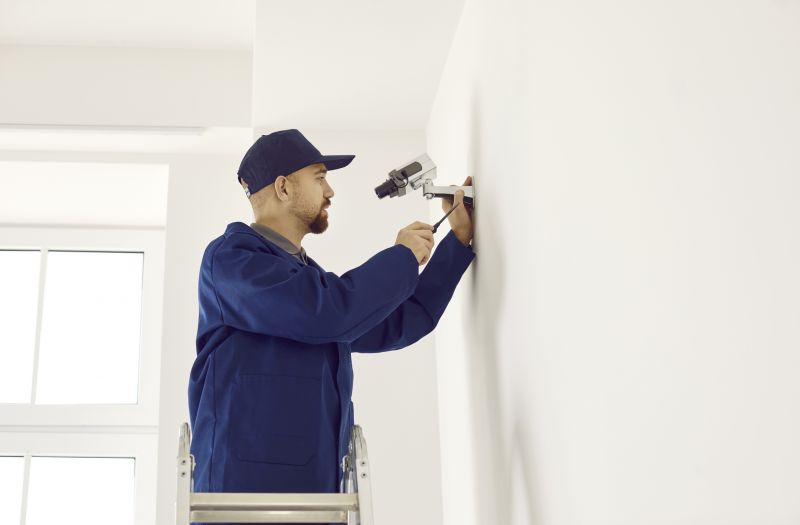
High-end options that actually feel worth it for Cctv Repairs.
CCTV repairs are vital for maintaining system reliability and security effectiveness. Regular inspection and timely repairs prevent system failures, reduce downtime, and ensure continuous surveillance coverage. According to industry statistics, proactive maintenance can extend the lifespan of CCTV equipment by up to 30%, while reducing false alarms and operational costs.
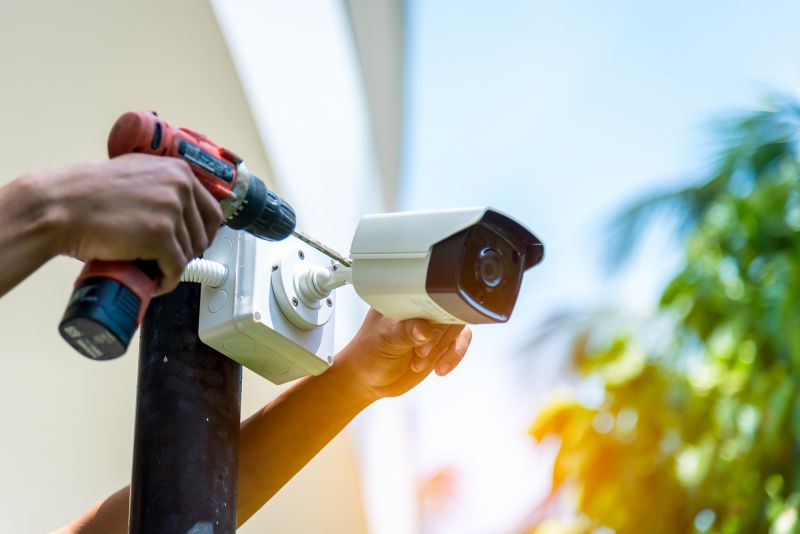
Finishes and colors that play nicely with Cctv Repairs.

Little measurements that prevent headaches on Cctv Repairs day.
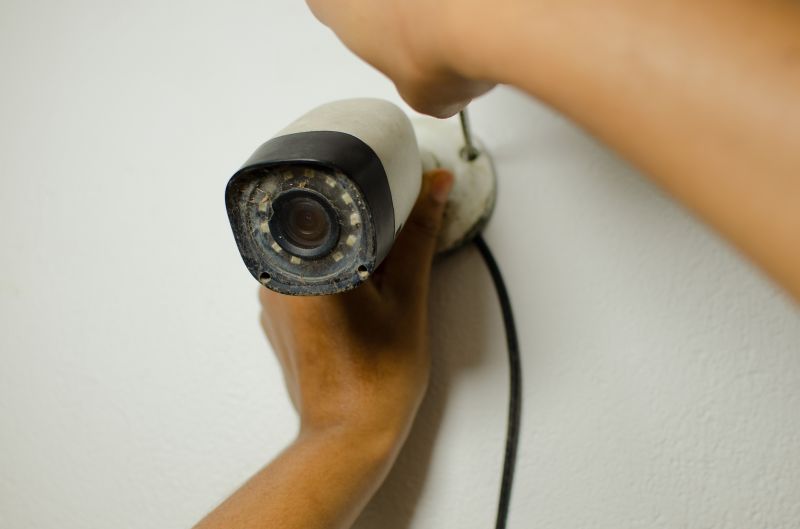
A 60-second routine that keeps Cctv Repairs looking new.
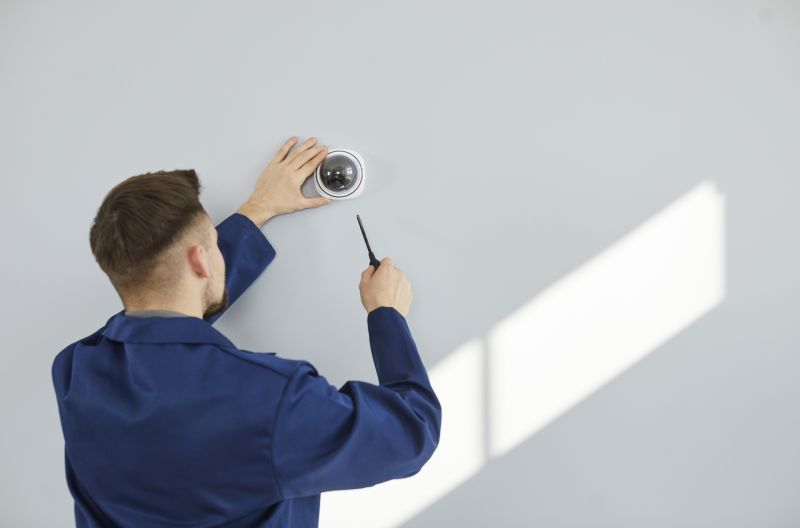
A frequent mistake in Cctv Repairs and how to dodge it.
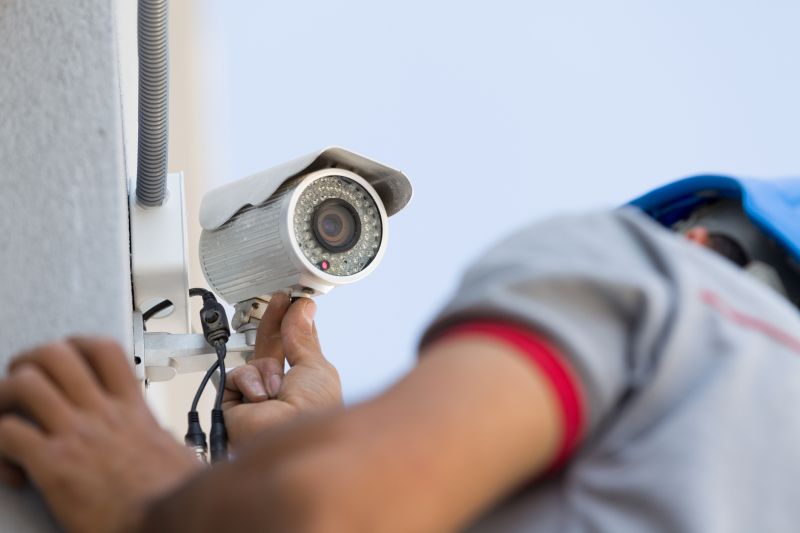
Small tweaks to make Cctv Repairs safer and easier to use.
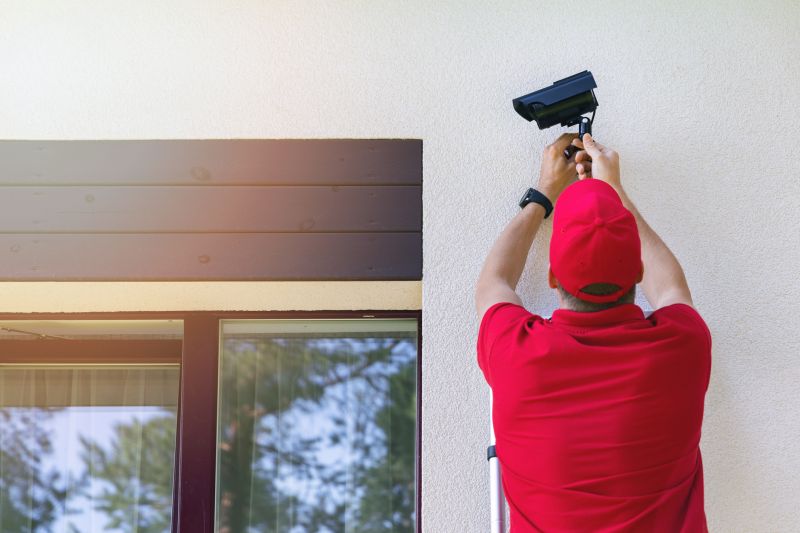
Lower-waste or water-saving choices for Cctv Repairs.
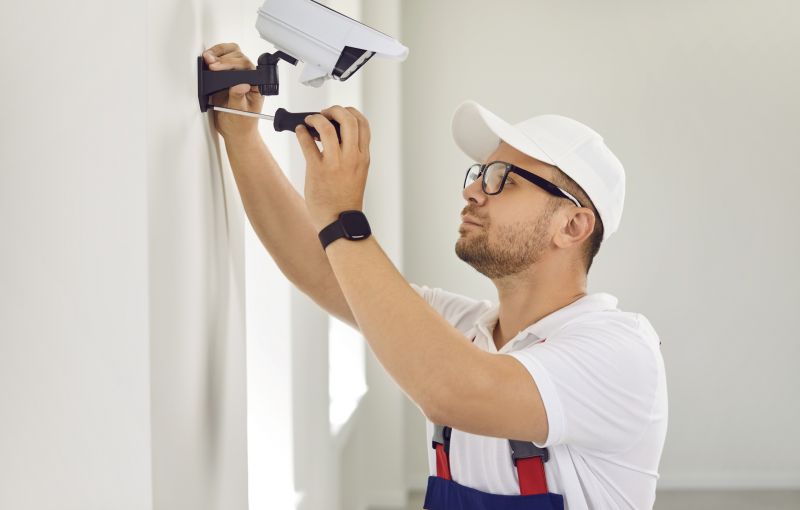
The short, realistic tool list for quality Cctv Repairs.
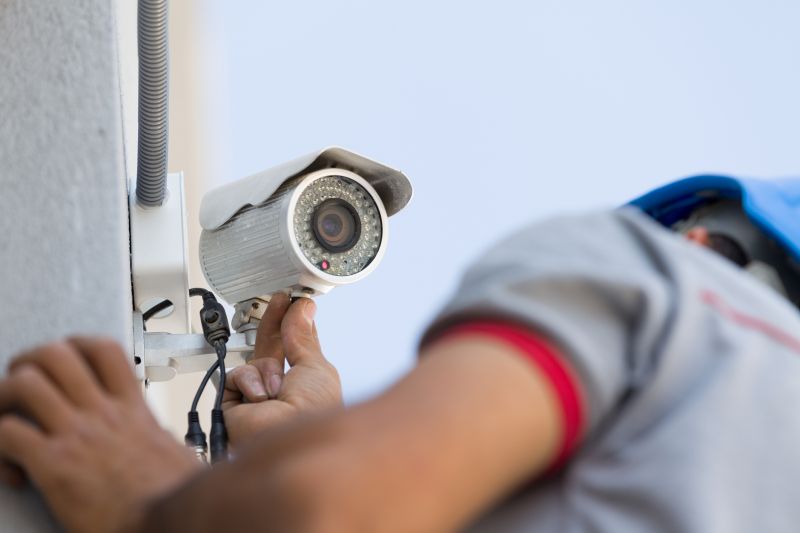
Rough timing from prep to clean-up for Cctv Repairs.
| Aspect | Details |
|---|---|
| Best Seasons | Spring and autumn provide moderate weather for repairs. |
| Time of Day | Off-peak hours such as nights or weekends are preferred. |
| Weather Conditions | Dry and clear weather minimizes delays and safety risks. |
| Operational Scheduling | Align repairs with planned downtimes or system upgrades. |
| Frequency of Repairs | Regular inspections prevent major failures and extend system lifespan. |
| Impact on Security | Timing repairs to avoid gaps in surveillance coverage. |
| Cost Considerations | Scheduling during optimal conditions can reduce repair costs. |
| Safety Precautions | Ensure repairs are performed in safe weather and lighting conditions. |